
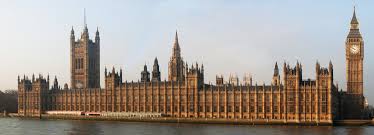
In June last year, I made plans for my daughter and me to travel to the United Kingdom (Great Britain) for 2 weeks to connect with family and briefly tour the Island, as it would be a continental first for my daughter. There were reasons why this was an ideal time to visit as it coincided with other family movements abroad. Because I work in the education sector and my daughter is still a student, we can only travel during scheduled school holidays.
As a prudent traveller, I book ahead to get the best value. By booking in June 2019, I snagged return flights with Qantas for $2676 (for two people) departing Australia two days before Good Friday and returning on the last day of the school holidays. At the time, I proudly commended myself on my foresight and frugality.
I think we can take as given that without the outbreak of COVID-19 around the world this trip would go ahead and be successful. We are both looking forward to it, plans have been confirmed, passports renewed, relations have been booked for several catch-ups, land transport has been planned but not paid for, birthday parties and reunions are in the diary and two extra days leave from work approved. Take it as given that all systems were GO.
But now that has all changed. Coronavirus has created conditions which could make this trip a disaster, or perhaps over-inflated concern could see a perfectly good trip wasted.

So with only three weeks to go, I need to decide to GB or not GB.
I just hope that whatever I decide I won’t regret it in the coming months.
Start with the easy one – the money.
For many people about to embark on the ‘holiday of a lifetime’ they are putting at risk tens of thousands of dollars: money that cannot be recouped and may take years to save for again. I am lucky that at present I have only pre-paid the airfares.
My international travel insurance cover which is complimentary with my Westpac Mastercard expressly excludes epidemics and pandemics from the list of Natural Disasters. So if I cancel I won’t be able to claim the cost of the airfare less the $250 excess.
My next investigation is to see if I can get some of the airfare back from the airline. The rules around changing or cancelling flights will depend on the booking class of your seats. Qantas has a range of booking classes and in general the cheaper your ticket the more restrictive the rules.
Our tickets are discount economy ‘O’ class. The rules for our ticket do allow us to either Change or Cancel the tickets with fees.
If we choose to ‘Change’ we will incur fees of $225 per person and would therefore receive a credit voucher for $2226. But it comes with some rules; we can’t change the name of the flyers, the tickets we buy must be at least the same value as the original tickets (which means overseas travel) and the travel must commence within 12 months of the original issue date. As I purchased on 30 June 2019 we would need to head off only a few months later and still in the middle of the Australian school term. This is definately not an option.
If we choose to ‘Cancel’ we will incur fees of $500 per passenger but will receive a refund for the remaining $1676.
If we decide to go ahead with the trip I would expect that we will spend a further $4,000 on travel, accommodation, food and sightseeing. Budget your trip suggests $151 per person per day. I have worked on $250 per day between us because my daughter will pay child rates to sight-see and generally we spend less than most people when we travel. Much of this $4,000 will, of course, be saved if we don’t go.
What are the health risks of going?
I don’t think any of us can know what the chances of contracting the virus from air travel are at the moment, but we each have three options; not sick, sick while away, or sick on return – so nine different health combinations.
For those of you about to challenge the maths – it makes a difference who is well and who gets sick because my daughter is a teenager. I could send her home unaccompanied if I got sick, but I can’t abandon her in the NHS if she became unwell.
How does this impact our plans? We could visit some of the family – but I am not sure that an elbow bump is quite the way to greet family that you haven’t seen in decades, or in the case of my daughter, ever. We could avoid family gatherings – and defeat one of the major reasons for going.

I think it would also be very reasonable to assume that even if we avoided catching COVID-19 we would be required or expected to self-isolate for at least 7 days on our return, and hope that we don’t develop symptoms in that time.
I firmly believe that if I did catch it I would survive with minor inconvenience to my health, but would the same be true for family, friends and complete strangers that we could transmit it to.
If we go will there be anything open?
Schools, libraries, Disneyland, pubs, restaurants, museums, cruises, are all closing. I wanted us to visit Oxford, and the Wizarding World of Harry Potter, The Globe, The Shard, Llanelli, Canterbury, Stratford-upon-Avon. Will any of it be open, probably not!
We could certainly explore the natural outdoor beauty of England and Wales – walk through the Brecon Beacons, examine the white cliffs of Dover and eat ice cream on Brighton Pier. Rugged outdoor pursuits are what the UK does best.
This all sounds a bit dramatic!
The changes that we have seen implemented to manage the spread of the virus come with significant impacts on our economy, education, employment and entertainment. The individual consequences of these changes cannot be measured now, but will play out in peoples lives for decades to come.
- Superannuation funds lost in a world-wide economic crash.
- Qualifications not gained as education is interrupted.
- Imposed social isolation becoming an accepted way of living.
- A widening of the divide between casual and permanent employees.
- Thousands of opportunities to live and learn gone.
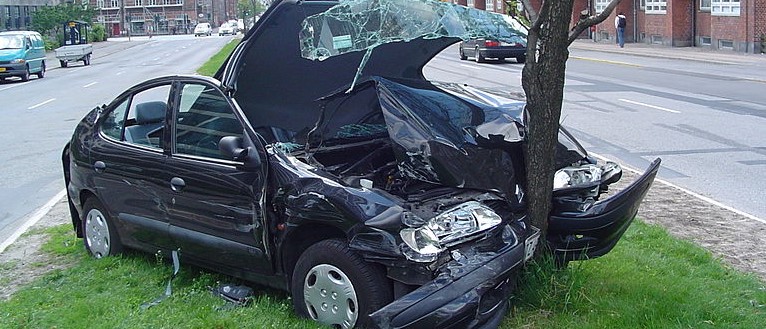
Has the world gone mad over something that is just a part of modern life? Can we put it in perspective. 1.25 million people die on the roads worldwide each year, that is 3,287 per day. SOURCE.
While many of these deaths are self-inflicted, many more are the product of being in the wrong place at the wrong time. We accept this risk as part of the price of living in a fast and modern world. I have more chance of dying this year on the road than catching COVID-19 – so why am I considering cancelling my flight and still driving?
Discover more from Miss Jane Suggests
Subscribe to get the latest posts sent to your email.
 Miss Jane Suggests